A World of Books and Children
Search and enjoy 8 years of posts chock-filled with ideas from It’s OK Not to Share and beyond.
Human rights are children's work, too. Poster by Anna, a middle schooler.
Yes. It's an uncomfortable topic, and difficult to watch in places, but the history it covers deserves attention. Adults must participate in the world and not be sheltered.  But what about the kids? What do we tell them about real-life horrors and "bad guys?"
Groups can be fun, but don't force participation.
Kids spend much of their young lives herded into groups. Now we’ll sing, now we’ll march in a circle, now everybody clap your hands. Many group activities are terrific fun for young children. Kids often gravitate toward the group and love to sing together, play with a parachute or hear a group story.
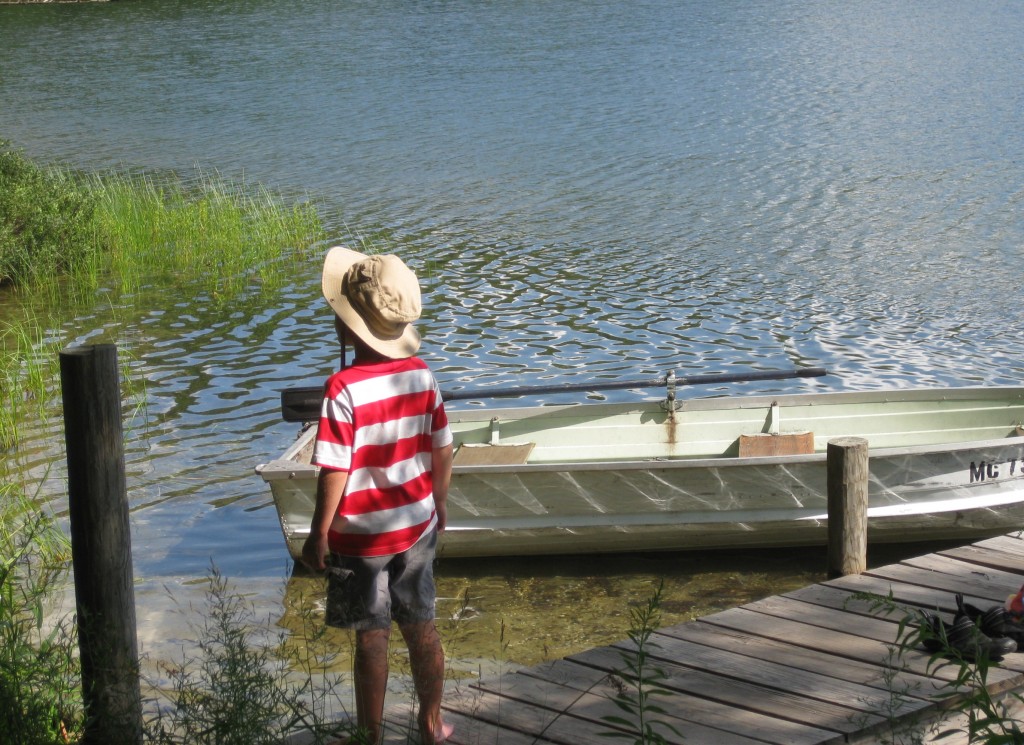
Summer doesn't mean soggy brains. Summer is a chance for a child's soul to expand.
Summer doesn’t mean soggy brains. Summer is a chance for a child’s soul to expand. As the school year wraps up, the usual things come home in my kids’ backpacks – stubby pencils, forgotten jackets, artwork, end-of-year piles of papers.
Kids need our attention - and the competition is fierce.
I remember when I first saw someone walking down the street with a cell phone to their ear. It was a remarkable sight, and not that long ago.  Now what’s remarkable is seeing someone who’s NOT got a device attached in every day life.
What seems reasonable to us may be wrong for kids.
Tired old phrases often come out of our mouths when we talk to kids, especially in times of frustration.  Do you find this happening to you? When we're exasperated, our minds reach for the first thing that comes to the surface.  Often it's the exact words we hated hearing as a kid ourselves.
A guarantee - "I won't push you again" - is more meaningful than "sorry."
Kids love the word “sorry.” Just say “sorry” after you push someone and the adults are appeased. It’s magic. One short word and you’re off the hook. We expect kids to say “sorry” because we want kids to patch things up, to care about others, to develop empathy and awareness and to feel remorseful.
People are NOT for hitting. And that includes parents. Put a stop to it at once.
If you know young children, you know about explosive anger. There's lots to be frustrated about when you're little, and this pent up emotional energy often breaks out physically.  Kids hit, kick, cry and yell. Hitting per se is not bad. It's the target. "Let Kids Hit and Kick"
Going UP the slide is good for kids, but it's hard on parents. - photo by Emily Plank
If you've ever been on a U.S. playground, you know one of the biggest controversies is this: should kids be allowed to go up the slide? The fact the question exists at all shows there's a split between what's good for kids and what's good for parents.
Playing dead is important work in early childhood.
It's easy to idealize childhood. Sometimes we forget just how much young kids have to grapple with. Death, for instance. Even kids who have not been personally touched by death are trying to understand mortality.