A World of Books and Children
Search and enjoy 8 years of posts chock-filled with ideas from It’s OK Not to Share and beyond.
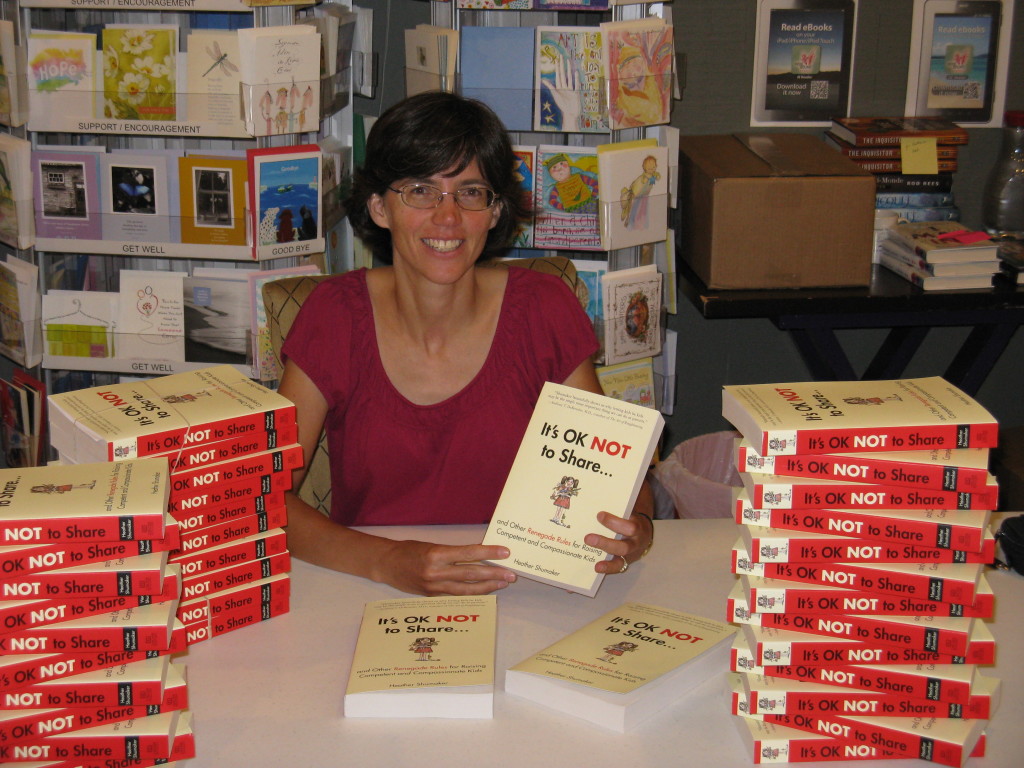
Heather Shumaker at a book table with stacks of It's OK Not to Share and a copy held open
There's been a bit of silence on the Starlighting blog lately. That's because behind-the-scenes I've been tapping away on my keyboard to create the sequel to It's OK Not to Share. A new book is being born!
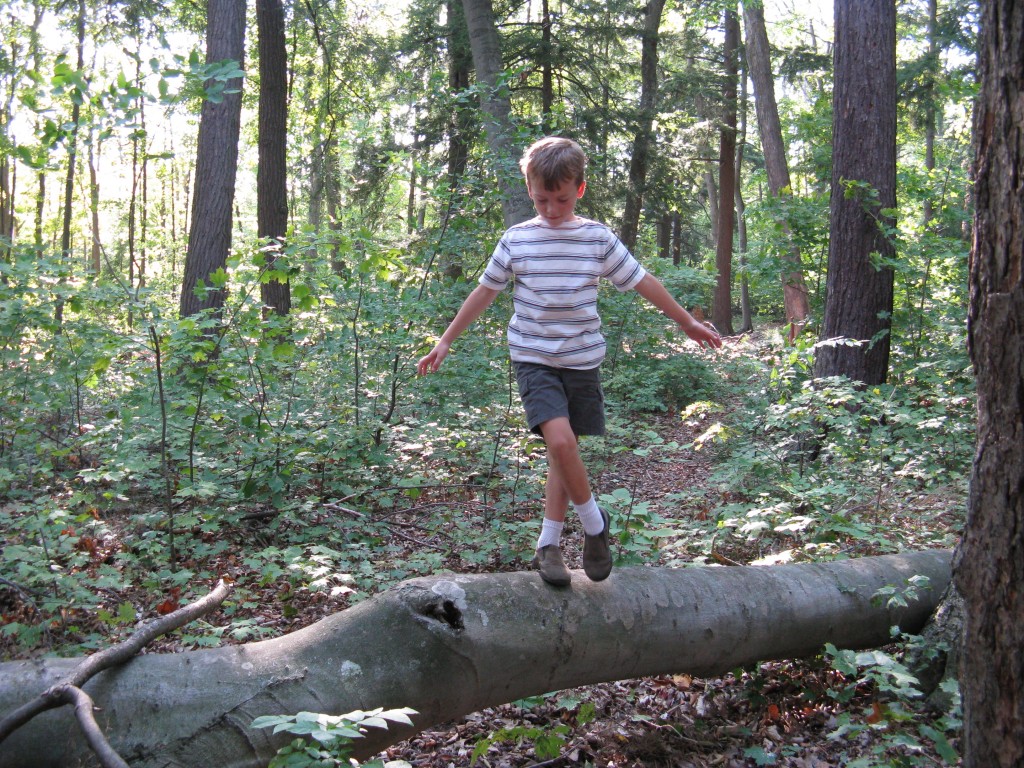
Taking kids outside at night builds wonder and joy.
Last weekend we hosted a party to celebrate the dark. It was ostensibly a Halloween party, with costumes and bobbing for apples, but the main ingredients were simply nine kids running around in the dark.
Share wonder and good news with kids. Too many problems can be paralyzing.
I stumbled on a bit of environmental good news this month. Amid tales of climate problems, declining honeybee populations and invasive carp it's rare to hear good news stories about the environment.
Taking away recess is the same as taking away lunch = bad for kids and learning.
What if you heard a teacher say: "Your assignment is late. You can't eat lunch today." Preposterous, we say. Lunch is essential for giving kids energy. It boosts brain power, helps focus and concentration, and gives kids a social break. So does recess.
Is your kindergartener crashing after school? There's a good reason
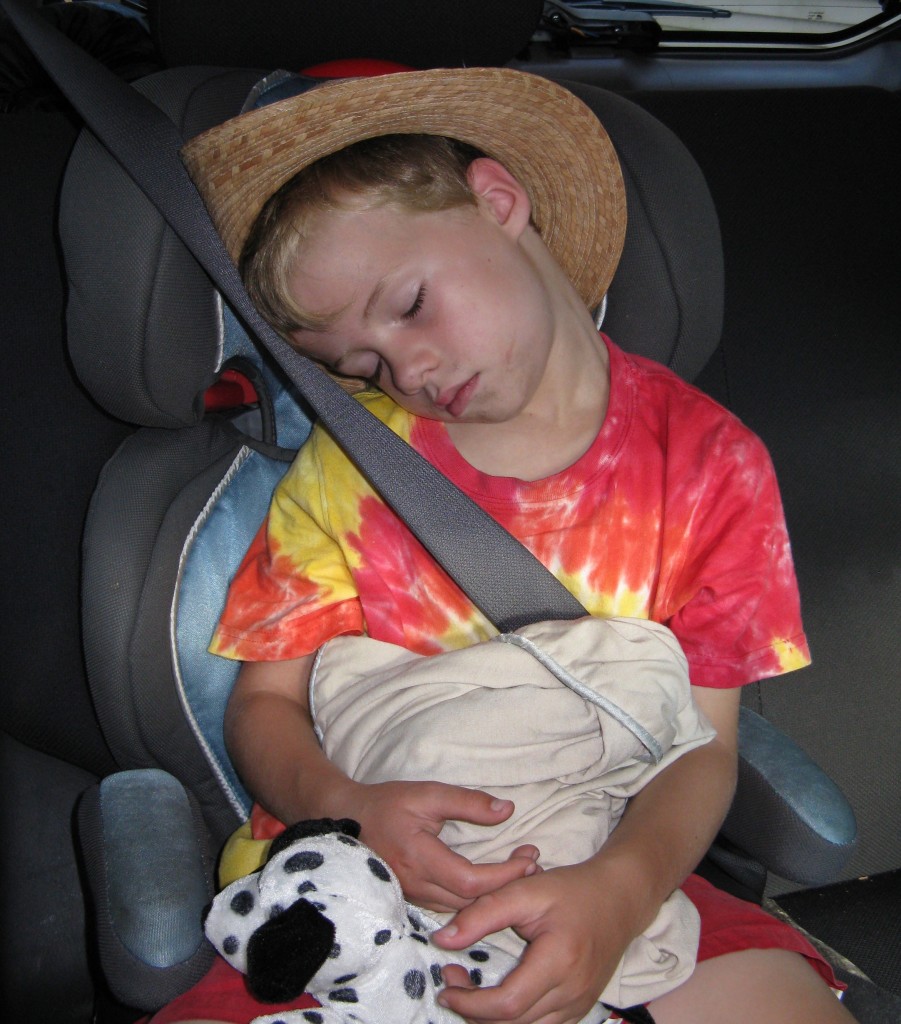
If you have a new kindergartener, perhaps this scene happens in your family: Sudden crash when you get home. Screams. Tears. Droops. Falling asleep in the car or on the sofa. You know something's not right. What is it?
Do the words we say leave room for other emotions?
When I talk about raising children, people often ask me about manners, particularly greetings. As we think about what's truly polite, it's good to step back and examine how we greet people ourselves.
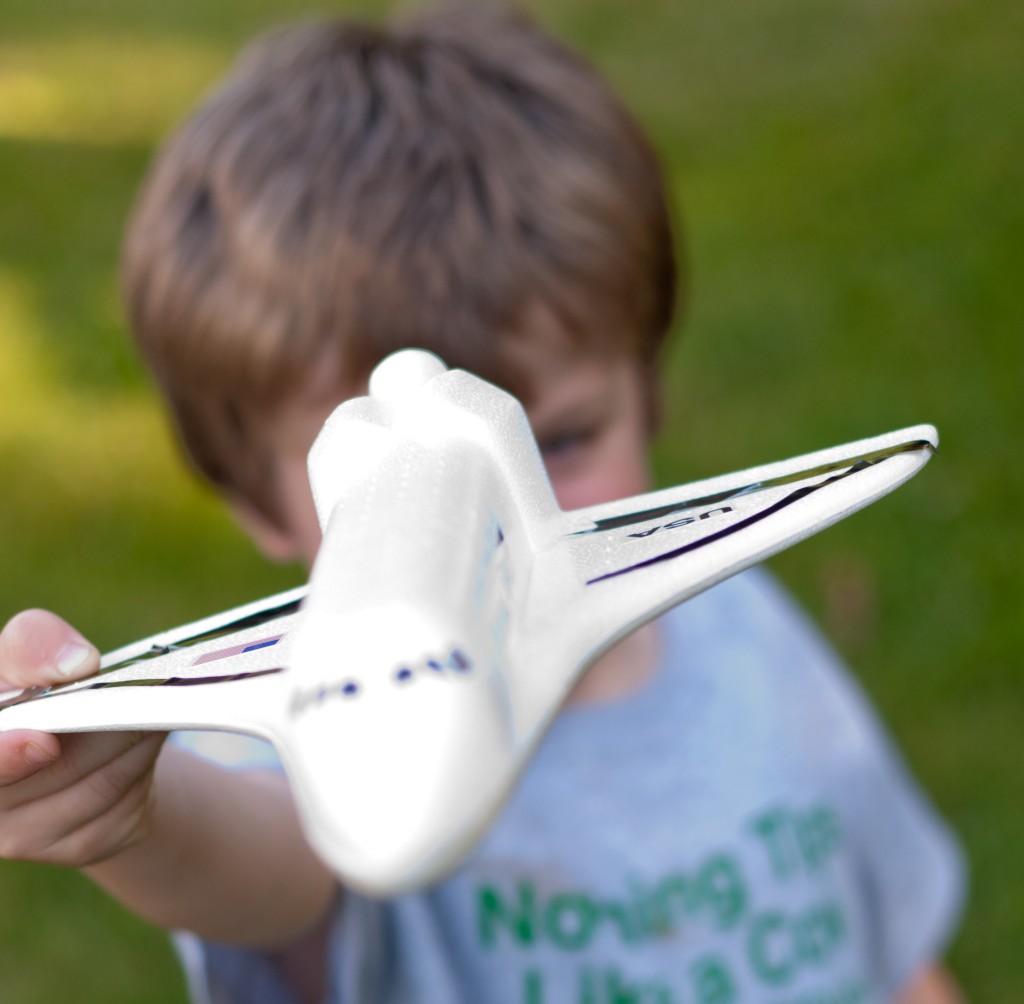
After a plane disaster, kids may play plane crash. Don't worry.
It can be tricky to talk about disasters in the news.  Kids don't need to know about many disasters, but some events are so big every child notices. Kids see and overhear media talk and adult conversations.  They may not pick up on the details and reasons, but they do pick up on the worried tones of voices around them.