A World of Books and Children
Search and enjoy 8 years of posts chock-filled with ideas from It’s OK Not to Share and beyond.

We know kids need time to play, but how much time? As much as possible. But what's key when we talk about play time is protecting BLOCKS of time.
When I visit many "play-based" programs to observe, I see actual play - free, unstructured, child-initiated play - squeezed in between multiple structured activities.

I've been preaching about resilience, and why kids need to face rejection sometimes. We can't protect them. We shouldn't protect them. Today's guest post offers additional insight into why rejection and setbacks can be so crucial.

One of the most bothersome questions I heard when I was young was: "What do you want to be when you grow up?" It's an age-old question, but not that useful. When you're 3 or 6 or 10, the vague, faraway, grown-up future is too remote. What's more relevant is: Who are you now?

This fall we closed off the streets in our neighborhood and held an old-fashioned block party. The result was fantastic – with cars banished, we united in community. Kids rode bicycles in the open road.

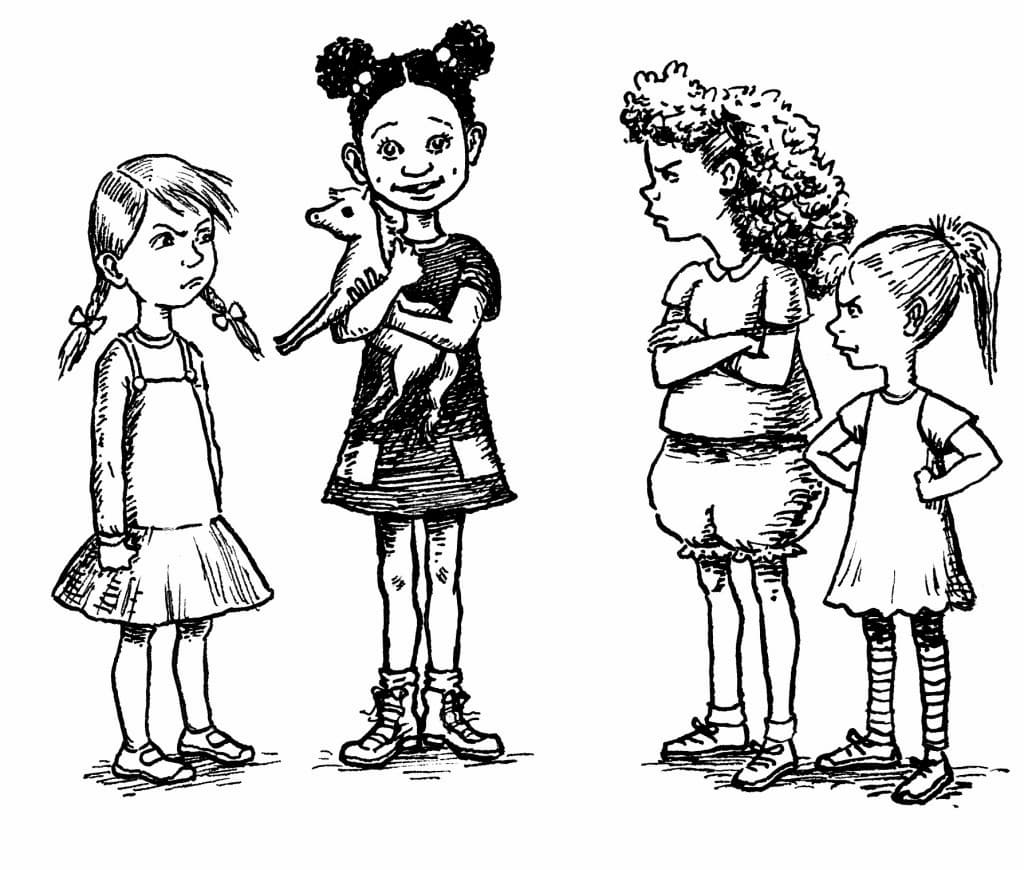
My mentor Jan Waters taught me that. Kids also don't learn peace skills by coloring "Friends" handouts or by signing their names at the bottom of school "no bullying policy" forms.

My kids got to bed too late last night. Sure, it was 7:30pm and 8:50pm, but that's too late to meet their sleep needs. Even half an hour of sleep deprivation makes a huge difference for children's learning, memory, behavior and happiness.

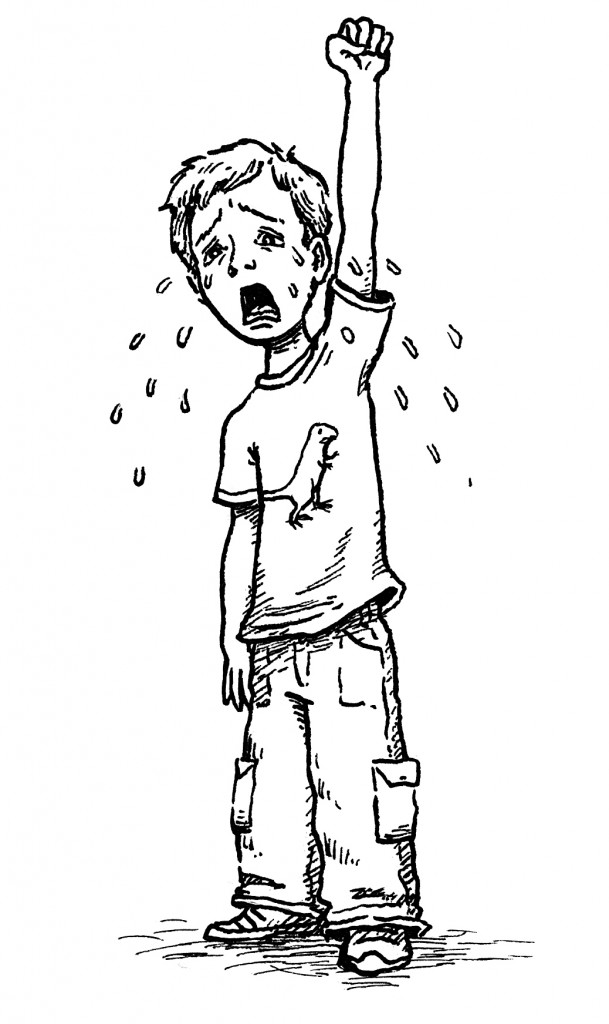
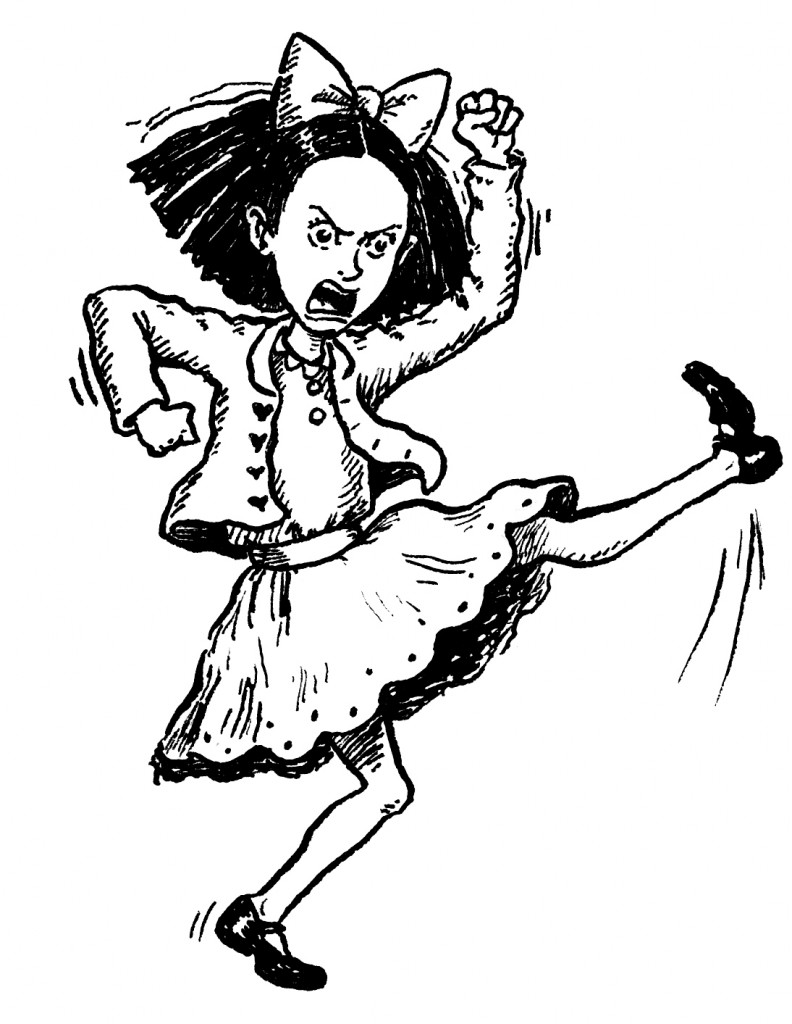
Effective parenting is often counterintuitive. My favorite time to teach early literacy is when a child is wailing or hopping mad.

Turn-taking based on when the child decides she’s “All Done” is fair and simple (see previous post Sharing: Throw Away Your Timer). But what happens when a child hogs the ball or decides to take a really looonnnnngggg turn?

As soon as children are old enough to walk, we expect them to share. I prefer putting "share" in quotes, since this type of sharing is usually forced by the adult. Our goals are noble: kindness, generosity, awareness of others. Unfortunately, our approach backfires.
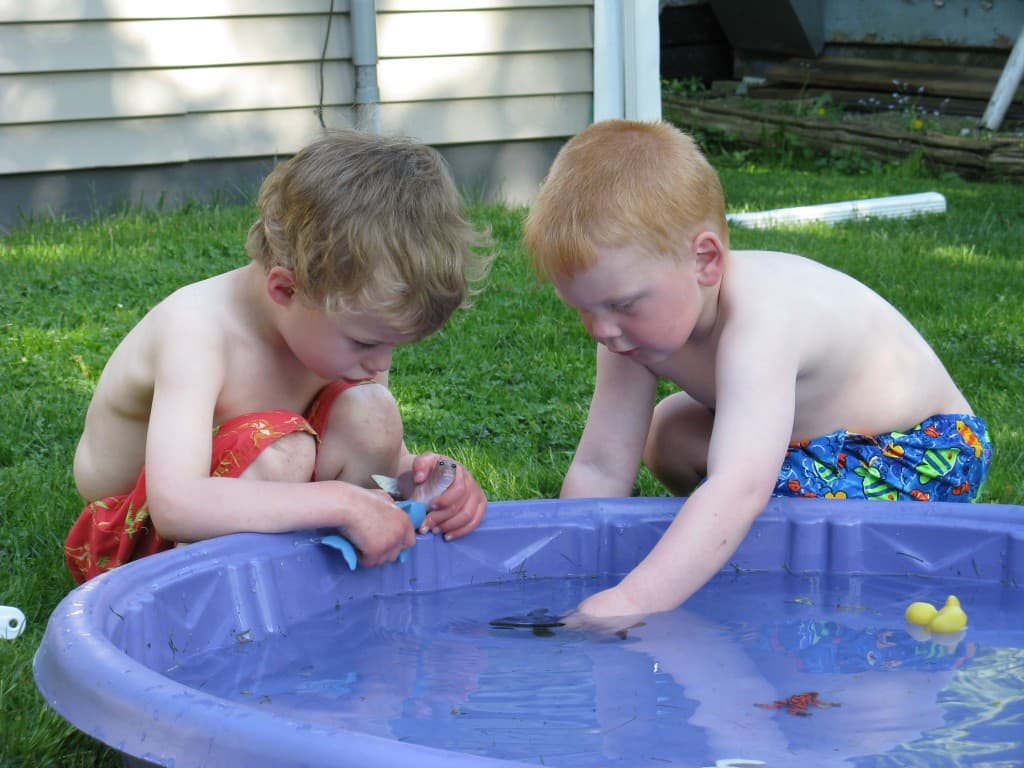

When I wrote about Centers in child care programs last week, a reader asked me a fundamental question: How do you find a play-based program? How do you know if a preschool or daycare is truly play-based? Her question deserves a thorough answer.