Our culture loves choice. Ever feel overwhelmed by it all? Go to the grocery store and there are 15 types of bread. Eighty types of snack food. In my grocery store, there must be at least 30 types of crackers alone. Some choice is helpful. Too much is overwhelming, especially if we’re not in a mood equipped to handle it.
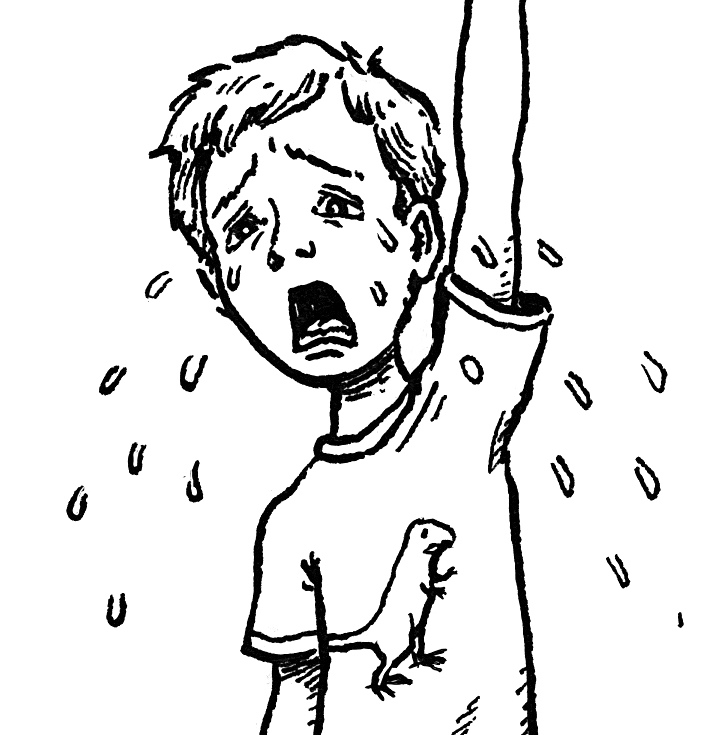
Choice is hard on kids. The world is pretty overwhelming already – fascinating, yes, but it takes young kids enormous energy just to process it all.
We often expect kids to make choices. Mostly, logical choices about their own behavior. “That’s a good choice,” we tell them. “That’s a bad choice.” Or “Did you make a good choice?” “Hitting your brother wasn’t a good choice.”
The truth is how they behave isn’t always a choice for children. At times – especially when they’re well rested, fed, feeling safe and cheerful – young kids can make sensible choices and control their impulsive behavior. But often they can’t. It’s too hard.
We need to understand that and not be disappointed. Not be angry. We need to put a stop to the bad behavior, but not assume it’s a choice. Sometimes kids want to stop but need help. Often they’re scared of their raging feelings or actions. Believe it or not, the ability to “stop” is hard. Kids may not know how.
By calling their behavior a “choice” we expect them to be logical beings with fully developed impulse control and a steady hand on their emotions. Kids are still developing impulse control, and it’s often impossible for them to “choose” to stop when they are raging mad, scared or sad.
Acknowledge it’s not always a choice Instead of saying “That wasn’t a good choice.” Try: “It’s too hard right now. I’m going to move your body away.”
Keep choices to a minimum Being asked too many questions can be stressful for kids. It also gives young kids an inflated notion of who’s the boss in the family. Try: “We’re going to the park.” instead of “Do you want to go to the park or the school playground today?” The kids will enjoy wherever they are, and chances are you already know which will fit the family best.
Give limited choices in daily life If getting dressed is a stumbling block, you can provide a limited choice. “You have to get dressed now. Are you going to wear the blue shirt or the red shirt?” This allows the child some power. The less often you use this tool, the more effective it can be.
Give free choice in play This is where children really get to practice choosing ideas and actions. Limit behavior if it crosses the line, but give kids plenty of time to make choices and risks in play.
Making good and bad choices becomes more relevant as kids get older. Most young kids’ “choices” are really learning how to set limits and cope with intense feelings. Want to know more? Read chapters on setting limits and wild emotions in the book It’s OK Not to Share.
Do you ever feel overwhelmed by so much choice? When does choice work well in your family?