Summer doesn’t mean soggy brains. Summer is a chance for a child’s soul to expand.
As the school year wraps up, the usual things come home in my kids’ backpacks – stubby pencils, forgotten jackets, artwork, end-of-year piles of papers. But one item startled me. It was a note assuming I was scared of summer:
“We have come to the time when parents start to worry about how they are going to keep their student’s skills strong over the summer. Well, relief could be on the way!” Then the note went on to introduce summer tutoring available.
This note was in a kindergartener’s backpack. It reminded me how wide-spread this concern is among parents. The fear that kids will forget what they learned in school during the summer months, the so-called “Summer Slide.”
I’m afraid I take the opposite view. I’m not worried about kids’ brains in the summer – a time when they can think their own thoughts, play their own games, and take a break from academics – I’m more worried about what they might be losing during the school year. Time to think. Time to explore. Time to find out who they are.
Play can Thrive
Especially for kindergarteners, tutoring is not necessary. They can learn much more through play and exploring the world. It’s not the Summer Slide I’m worried about, it’s the “School Slide.” School doesn’t give enough time for young hearts to play.
Life is Time
Schools teach many valuable lessons and skills, but school days are long and dominate the day. That’s especially true if you add on bus rides, extended day programs and homework. School grabs most of a child’s time. It’s simple math. When school hours dominate, there’s not much time for a child to do anything else. All humans need time to explore their own interests and ideas.
Reading Often Gets Stronger
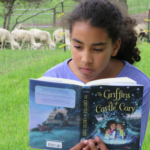
In families who read, reading skills grow stronger over the summer. Summer is a time when storytime can get longer, kids have plenty of time to read for pleasure, and libraries have robust reading programs. This is one area where income and family dynamics play an enormous difference. In about half the families, summer reading time boosts kids’ vocabulary and reading level. In the other half, reading slides because there is no reading.
Learning is Not all about Recall
When tutors and teachers talk about “summer slide,” they typically use the statistic that kids are set back 2-3 months worth of instruction time. Math or science facts may certainly be rusty, but learning is not only about recall. Learning cycles through the brain, some things stick, some things don’t, but sometimes the process of learning has been strengthened. The child’s ability to do logical thinking has been enhanced even if they’ve forgotten the exact facts. A test does not necessarily tell “where” a child is and whether she/he has learned.
Kids’ Ideas Matter
The biggest difference between school-time and non-school-time is the space to explore kids’ own ideas. For my kindergartener, that means flapping mud into the sandbox. For my 9-year-old, that means going to the park with a friend or creating his own board game from cereal box cardboard. The chance to explore what interests them matters. Kids have been told what to do for many months. Now they need the chance to share their own thoughts with the world.
It’s Not all Important
Heresy, perhaps. Not everything taught at school is important. New curriculum requirements ask teachers to present an array of material that may or may not be useful to kids. Some of it is never “learned.” Some is not relevant. What may be important to one child is not important to the next. Our brains are very good at parsing out what’s not important.
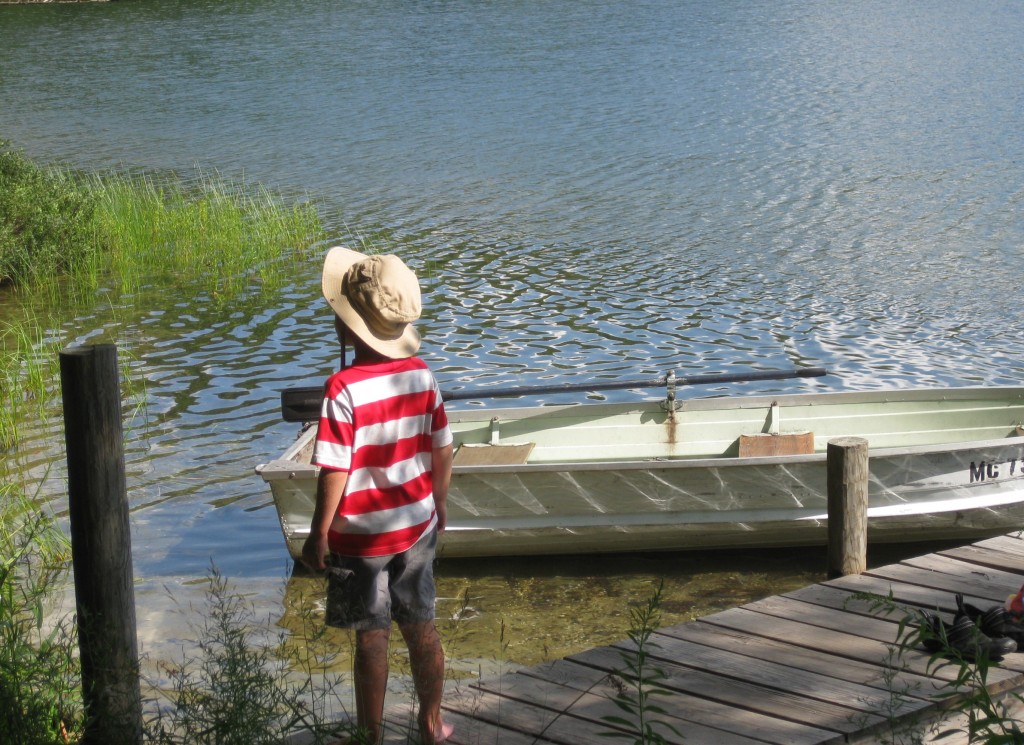
Of course, not every child has ideal summer days. Summer is a daycare scramble. In our family, we have a flock of summer sitters lined up. Some kids need extra help or structure in the summer. But still, wherever your child is, summer is a time to focus on life besides academics. It’s a time to relax routines. For a child, it’s a time to revel in the glorious business of discovering who they are.
I’d rather see a note come home on the last week of school that says: “Read stories to your child. Go outside. Have a wonderful summer and enjoy the world.”
Do you worry more about what’s being “lost” in the summer or in the school year? How can we bridge the gap between reading families and non-reading families? What do you think you learned during summers as a child?