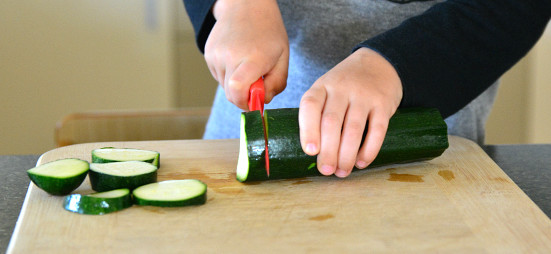
Healthy risk is good. Kids are safer when they know how to cope.
My son burned his finger the other day as he was helping me cook. I love it when these things happen. Not the pain, of course. What I love is when kids engage in real life and learn how to cope.
We’d talked about the pot being hot and using potholders, but still his finger landed on the rim of the hot pot and he jerked it away the way our bodies teach us in an instant. “You burned your finger,” I said. “Put it under cold, running water.” We turned the tap on.
I’m sure he’ll burn his finger slightly again someday. But here’s what he won’t forget: what to do about it. He’ll stick it into cold, running water.
My father used to teach us how to fall. He encouraged us to balance on logs, jump across streams that were too big for us, and go rock hopping, but he prepared us by teaching us what to do when we fell. The assumption is that sometimes you will fall. If you are living. If you are trying. If you are exploring and discovering and engaging.
Instead of sheltering kids from the burn or the fall, teach them what to do when it happens. This is true of any healthy risk we let our kids take, including sad and angry emotions. Learning how to cope with the ouches of life is what kids need. It’s a lot more safe than sheltering.
Healthy risks young kids can try –
- cutting with a sharp knife
- using a real hammer and saw
- running too fast on concrete
- climbing
- leaping from rock to rock
- hauling heavy bricks
- handling sharp needles and scissors
- cooking with supervision
- playing alone
- playing outside alone
- walking to the neighbor’s to deliver a message
- asking someone to play
- being told no
My new book delves into why we should put Safety Second. We live in a world of “safety first,” but safety first doesn’t create full human beings. Safety needs to be part of what we do, but when safety edges out healthy life experiences like playing with sticks in the park and using real tools, we need to err on the side of life.
What types of play or experiences have you seen adults ban recently? What risks do you welcome for yourself or children in your life? What healthy risks are you willing to give a try?
Read more about Safety Second and benefits of healthy risk in the new book “It’s OK to Go Up the Slide.” Read it? REVIEW it on Amazon or Goodreads.